
Stronger relationships start with better understanding.
Every relationship faces challenges at times. Family and Couples Therapy provides a supportive space to improve communication, navigate conflict, rebuild trust, and strengthen relationships while developing practical tools for lasting change.
Available in-person in Minneapolis and Maple Grove, with telehealth options available when appropriate.
Couples • Families • Parents & Children • Blended Families • Telehealth Available
This Service Helps With
Common Misconceptions About Family & Couples Therapy
Relationships are some of the most important, and challenging, parts of life. Whether you're facing communication difficulties, conflict, parenting concerns, or major life transitions, Family & Couples Therapy provides a supportive space to strengthen relationships and build healthier ways of connecting.
Through guided conversations and practical skill-building, therapy can help families and couples move toward greater understanding, trust, and resilience.
Common Issues We Help Address
-
Communication difficulties
-
Frequent arguments or recurring conflict
-
Trust issues
-
Infidelity recovery
-
Parenting disagreements
-
Divorce and separation transitions
-
Blended family challenges
-
Parent-child conflict
-
Sibling conflict
-
Family stress and tension
-
Life transitions and adjustment
-
Grief and loss affecting relationships
-
Mental health challenges impacting family systems
-
Substance use recovery within families
-
Boundary-setting difficulties
Real-Life Struggles We Hear
-
Having the same argument over and over
-
Feeling unheard or misunderstood
-
Walking on eggshells around one another
-
Difficulty rebuilding trust after hurt or betrayal
-
Constant tension at home
-
Communication that quickly escalates into conflict
-
Feeling disconnected from a partner
-
Struggling to co-parent effectively
-
Difficulty navigating blended family dynamics
-
Feeling like family members are growing apart
Signs It May Be Time For Support
-
Conflicts are becoming more frequent or intense
-
Communication feels impossible
-
Family members are withdrawing from one another
-
Resentment continues to build
-
Parenting disagreements are creating tension
-
Important issues remain unresolved
-
Trust has been damaged
-
Relationships feel stuck despite efforts to improve them
"Therapy is about deciding who's right."
It isn't. The goal is not to assign blame. The goal is to understand relationship patterns and help everyone move toward healthier communication and stronger connection.
"Going to therapy means our relationship is failing."
Many couples and families seek therapy proactively. Seeking support is often a sign that people care deeply about improving their relationships.
"The therapist will take sides."
Our therapists work to create a balanced environment where all participants feel heard, respected, and understood.
What To Expect
1. Initial Assessment
The first sessions focus on understanding:
-
Current concerns
-
Relationship history
-
Family dynamics
-
Communication patterns
-
Areas of conflict
-
Strengths within the relationship or family
Our goal is to develop a clear understanding of what is happening and what everyone hopes to achieve.
2. Creating Shared Goals
Together, we'll identify goals such as:
-
Improving communication
-
Resolving conflict more effectively
-
Rebuilding trust
-
Strengthening emotional connection
-
Improving family functioning
-
Supporting healthier boundaries
3. Building New Patterns
As therapy progresses, clients learn and practice new skills that can be applied in everyday life.
This may include:
-
Communication techniques
-
Conflict resolution skills
-
Emotional regulation strategies
-
Parenting tools
-
Boundary-setting
-
Relationship-building exercises
How We Work

At MHCS, we recognize that relationship challenges rarely belong to just one person.
Every family and relationship develops patterns over time. Therapy helps identify those patterns and create healthier alternatives.
Relationship-Driven, Collaborative Mental Healthcare

Relationship-Centered Care
We focus on helping clients:
-
Understand one another more clearly
-
Improve communication
-
Develop empathy
-
Navigate conflict constructively
-
Strengthen connection

Evidence-Informed Approaches
Depending on your needs, our therapists may draw from:
-
Family Systems Therapy
-
Emotionally Focused Therapy (EFT)
-
Cognitive Behavioral Therapy (CBT)
-
Trauma-Informed Therapy
-
Solution-Focused Therapy
-
Attachment-Based Approaches

Personalized Treatment
Every family is unique.
Every couple is unique.
Treatment is tailored to your specific circumstances, goals, values, and relationships.

Collaboration Throughout Treatment
Clients are active participants in the process.
We regularly review goals, discuss progress, and adjust our approach to ensure therapy remains aligned with what matters most to your family or relationship.
What Progress Often Looks Like
Progress may include:
-
Reduced conflict
-
Improved communication
-
Increased trust
-
Better emotional connection
-
Stronger family relationships
-
More effective parenting
-
Greater understanding of one another's perspectives
Our Providers
Our therapists have experience helping individuals, couples, and families navigate a wide range of relationship challenges.

Vicki Dean-Gramlich
APRN, PMHCNS-BC
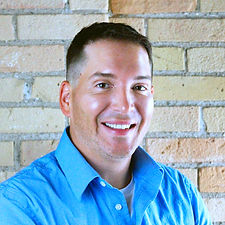
Corey Johnson
APRN, PMHNP-BC

Michelle Murphy
APRN, PMHNP-BC

Eric Larson
LICSW
What Makes Our Providers Different
Relationship-focused care
Trauma-informed approaches
Whole-person philosophy
Family systems perspective
Collaborative treatment planning
Many providers have advanced training in:
-
Couples counseling
-
Family systems work
-
Parenting support
-
Trauma treatment
-
Conflict resolution
-
Relationship repair
Insurance and Payment
Insurance Coverage
Self-Pay Options
Out-Of-Network Benefits
Payment Questions
FAQs About Family & Couples Therapy
